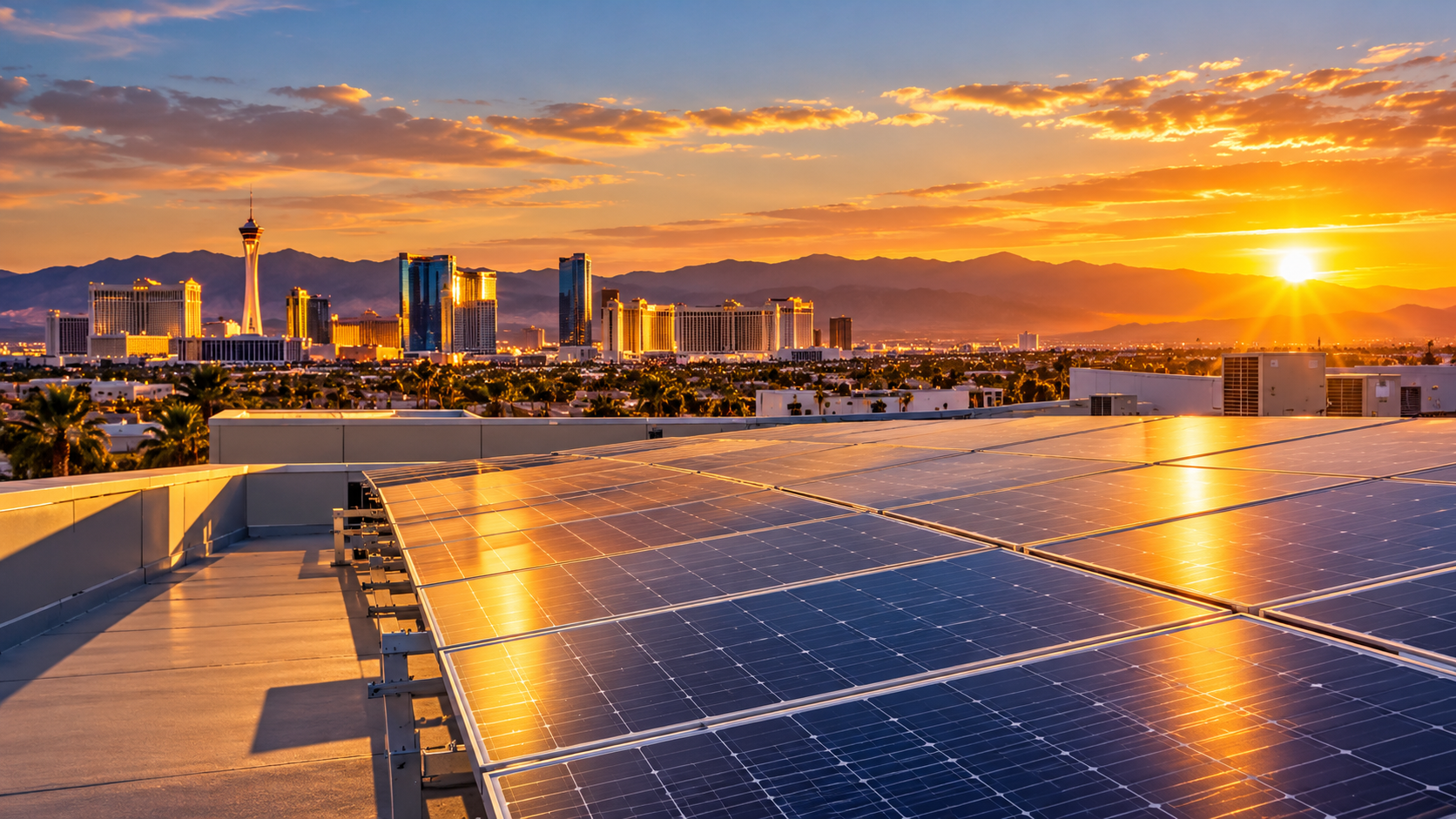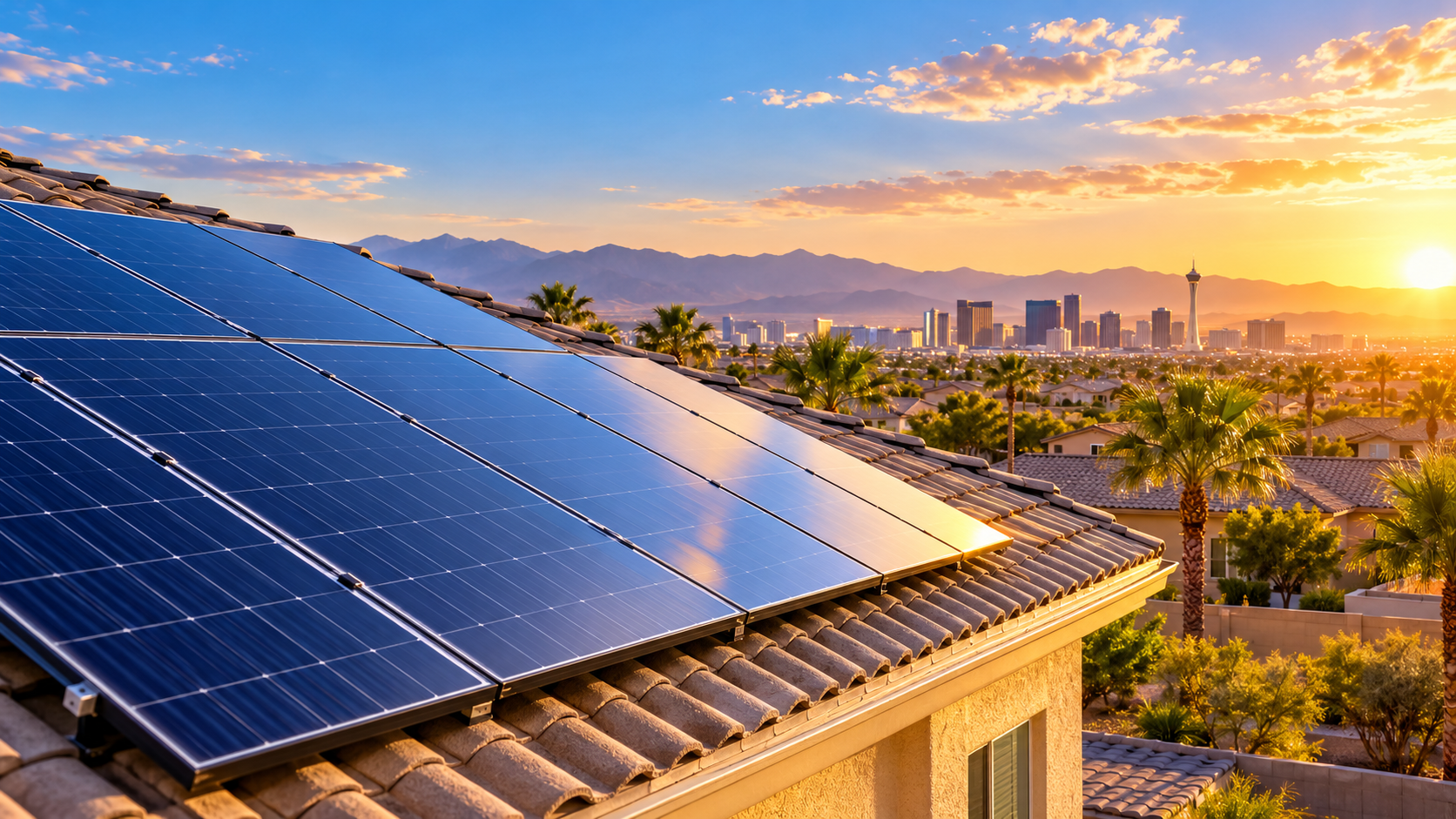
Installing solar panels can be a smart way for Las Vegas homeowners to take greater control of their energy use. Nevada’s abundant sunshine makes solar an attractive option, but choosing the right system involves more than simply putting panels on a roof. The design, equipment, electrical work, permitting, battery storage, and long-term maintenance all play a role in how well a solar system performs.
If you are considering Residential Solar Panel Installations in Las Vegas NV, understanding the most common installation mistakes can help you make a more informed decision and avoid costly problems later.
1. Choosing a Solar System Based Only on Price
One of the biggest mistakes homeowners make is comparing solar proposals strictly by the initial price.
A lower price does not necessarily mean a better value. Solar systems should be evaluated based on factors such as system design, expected energy production, equipment quality, installation workmanship, warranties, electrical requirements, and long-term service.
A properly designed system should be based on the property’s energy needs and physical characteristics—not simply on how many panels can fit on the roof.
A qualified installer should be able to explain how the proposed system was sized and provide realistic production expectations rather than relying on inflated savings projections.
2. Not Evaluating the Roof and Property First
Solar panels need adequate exposure to sunlight, but every property is different. Roof orientation, available space, shading, roof condition, and the location of electrical equipment can all affect the design of a solar system.
Installing solar on a roof that needs major repairs or replacement can also create unnecessary complications later. Homeowners should consider the condition and expected remaining life of their roof before moving forward.
A professional site evaluation can identify these issues before installation begins and help determine whether the proposed system is appropriate for the property.
3. Overlooking the Electrical System
Solar installation is also an electrical project. The existing electrical panel, service capacity, wiring, disconnects, and other components must be evaluated to determine whether the property can accommodate the new system.
This is one reason working with an experienced Solar Electrician in Las Vegas homeowners can trust is so important.
A qualified electrical contractor can evaluate the existing electrical infrastructure and identify whether upgrades or additional work may be needed as part of the solar project. Addressing these requirements during the design phase can help prevent surprises during installation.
4. Ignoring Nevada Permitting and Utility Requirements
Solar systems are connected to a home’s electrical system and, in many cases, the utility grid. That means permitting and interconnection requirements need to be considered before installation begins.
Nevada’s solar landscape has changed over time, including changes involving utility requirements and net metering structures. Homeowners should make sure they understand how their system will interact with the grid and what approvals are required.
A local installer familiar with Nevada permitting and utility processes can help make this portion of the project much easier.
5. Assuming Solar Panels Automatically Provide Backup Power
One common misconception is that solar panels will keep a home powered when the electrical grid goes down.
In a standard grid-connected solar system, the system typically shuts down during an outage for safety reasons. Solar panels alone generally do not provide backup power when the grid is unavailable.
If backup power is important to your household, Solar Battery Installation may be worth considering.
Battery storage can allow homeowners to store energy for later use, provide backup power during certain outages, and give them greater control over when solar energy is used. Whether a battery makes financial and practical sense depends on the home’s energy usage, system design, utility rate structure, and backup-power goals.
6. Focusing on Panels Instead of the Entire System
Solar panels are only one component of a complete solar installation.
A properly designed system may include panels, inverters, mounting equipment, electrical components, monitoring equipment, and potentially battery storage. The system also needs to be properly integrated with the home’s electrical service and the utility grid.
That’s why homeowners should look beyond the panel brand or panel count when comparing proposals.
The better question is: How is the complete solar system being designed to meet my home’s energy needs?
7. Forgetting About Long-Term Maintenance and Monitoring
Solar panels are designed for long-term use, but homeowners should still understand how their system will be monitored and maintained.
Monitoring can help identify changes in system performance and potential problems. Regular attention can also help ensure the system continues operating as expected over time.
Before choosing an installer, ask who will be available if there is a problem after installation. A local company that can support the system beyond the installation itself can provide an important advantage.
8. Choosing an Installer Without Local Experience
Solar installation isn’t identical in every market. Nevada homeowners have to consider the desert climate, local permitting requirements, utility interconnection, roof conditions, and the electrical characteristics of their property.
Working with a Nevada-based electrical contractor can provide valuable local knowledge throughout the process.
Accel Electric, LLC provides solar panel installation for both homes and businesses throughout the Las Vegas area. The company handles system design and installation, battery storage and energy management, grid integration and permitting, and ongoing maintenance and monitoring.
What Should You Look for in a Las Vegas Solar Installer?
When comparing solar companies, look for a contractor that can provide:
- A customized system design based on your property and energy needs
- Clear production estimates
- Professional electrical installation
- Assistance with permitting and grid integration
- Options for battery storage when appropriate
- Transparent pricing and financing information
- Ongoing monitoring and service
- Experience working in the Nevada climate
Most importantly, don’t be afraid to ask questions. A reputable installer should be willing to explain how the system works, what it is expected to produce, what happens during an outage, and what support is available after installation.
Avoid Solar Installation Mistakes With the Right Planning
Solar can be a valuable long-term investment, but the quality of the installation and system design matters just as much as the panels themselves. Avoiding common mistakes starts with choosing an experienced contractor, evaluating the property and electrical system, understanding permitting requirements, and determining whether battery storage makes sense for your household.
If you’re researching Solar Panel Installation in Las Vegas NV, Accel Electric, LLC can help you evaluate your property and energy goals and develop a customized solar solution. The company serves homeowners throughout Las Vegas and surrounding Southern Nevada communities.
Ready to explore residential solar? Contact Accel Electric at 702-218-8749 to discuss your solar installation options.